
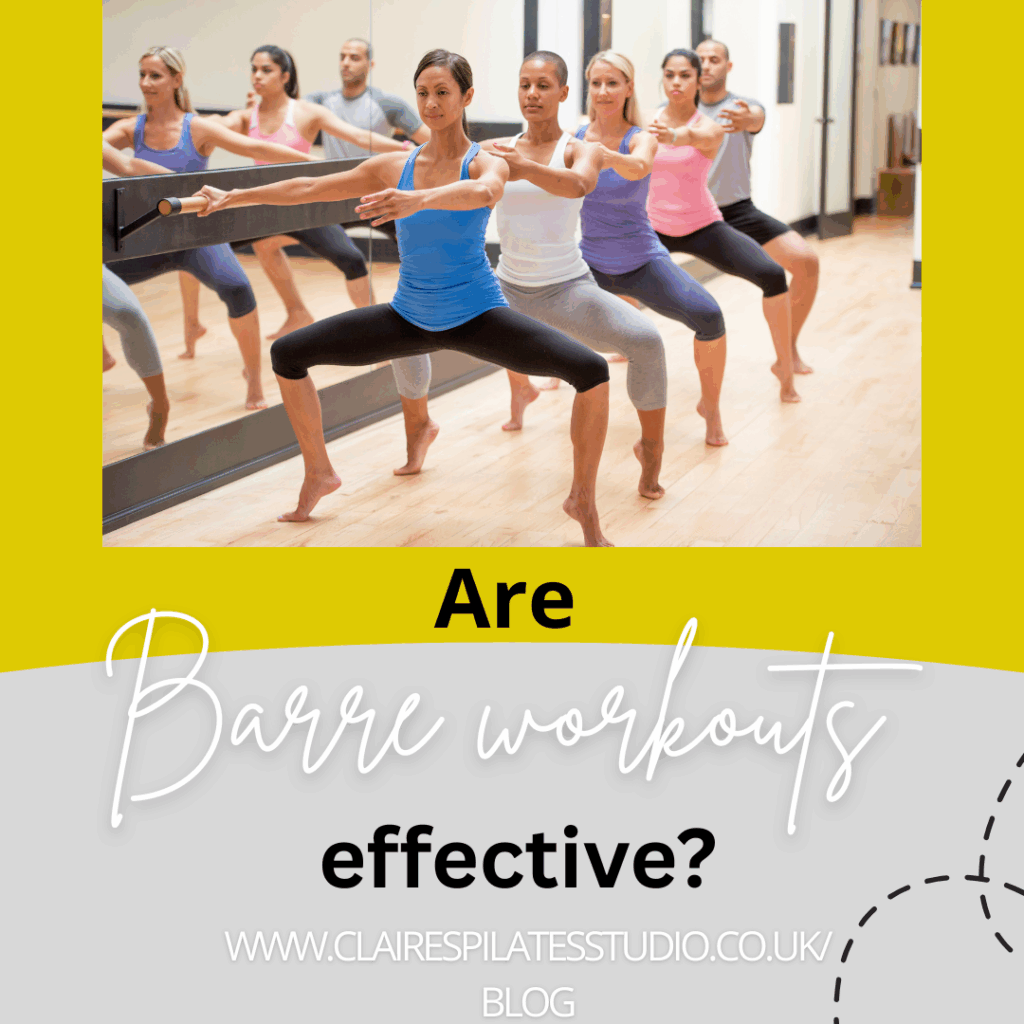
The Effectiveness of Barre Workouts: A Scientific and Practical Look
Barre workouts have surged in popularity over the last decade, with studios popping up globally and at-home classes offered by major fitness platforms. Combining elements of ballet, Pilates, and yoga, barre workouts promise a low-impact but high-burn routine.
They might seem like a new fad but their history goes way back, rooted in ballet and physical therapy. Here’s a breakdown of how barre evolved:
Origins (1959) – Lotte Berk Method
- Founder: Lotte Berk, a German-Jewish ballerina who fled to London during WWII.
- Injury & Innovation: After suffering a back injury, she combined her ballet training with rehabilitative exercises, developing a method to maintain strength and flexibility while protecting the spine.
- The Lotte Berk Method: Launched in 1959 in London, this was the first known “barre” class. It emphasized core strength, posture, and small isometric movements—hallmarks of modern barre.
Barre Comes to the U.S. (1970s–2000s)
- Lydia Bach: An American student of Lotte Berk who brought the method to New York City in 1971. She bought the rights to the method and opened the first U.S. barre studio.
- The workout remained somewhat niche for decades, attracting dancers and celebrities.
Modern Barre Boom (2000s–Present)
- Franchises Emerge:
- Physique 57 (2006), The Bar Method, Pure Barre, Barre3, and others modernized the workout with more fitness-focused branding and broader appeal.
- Barre Pilates Method created in 2011 – I created this method seeing a gap in the market for Fitness Professionals and Pilates teachers as opposed to expensive franchises. Accredited by CIMSPA I’ve trained hundreds of teachers.
- Shift in Focus: While still ballet-inspired, modern barre now incorporates elements of Pilates, yoga, and functional fitness. The use of props (light weights, balls, resistance bands) became more common.
- Mainstream Popularity: The rise of boutique fitness and group classes helped barre explode in popularity, especially among those seeking low-impact, toning workouts.
But how effective are they really?
What Is Barre?
Barre is a hybrid workout that incorporates:
- Ballet-inspired movements
- Pilates core work
- Yoga flexibility
- Strength training using bodyweight, light weights, or resistance bands
Most classes focus on small, isometric movements, high repetitions, and a strong emphasis on posture and alignment.
Benefits of Barre Workouts
- Improved Muscle Endurance and Tone
Barre targets smaller, stabilising muscles that are often overlooked in traditional strength training. The high-rep, low-weight format is excellent for muscle endurance and can lead to visible muscle tone, especially in the legs, glutes, arms, and core.
A 2019 study published in the Journal of Strength and Conditioning Research found that high-repetition, low-resistance training improves muscular endurance and contributes to lean muscle definition over time.
- Low Impact, Joint-Friendly
Because barre is low impact, it’s ideal for individuals recovering from injury or those with joint sensitivities. Movements are controlled and precise, minimizing strain on knees, hips, and shoulders.
- Enhanced Flexibility and Posture
Barre incorporates stretching and alignment cues that help improve flexibility and postural awareness. Over time, this can translate to better movement patterns and reduced risk of injury in daily life.
- Mind-Muscle Connection
Barre requires constant engagement of specific muscle groups. This strengthens the neuromuscular connection, which is beneficial for coordination and body awareness.
- Pelvic Floor Friendly
Studies have shown the different positions of the feet that are used in Barre help fire the pelvic floor more. Combing this with low impact class, working the glutes and deep pelvic floor muscles during the movements, Barre provides a great pelvic floor friendly workout.
What Barre May Not Be Ideal For
- Cardiovascular Conditioning
While some barre classes incorporate cardio bursts, most traditional classes do not significantly elevate heart rate for extended periods. If your goal is to improve aerobic endurance, you may need to supplement with separate cardio workouts.
- Building Muscle Mass
Barre builds lean muscle but is not optimal for hypertrophy (muscle growth). For significant strength or size gains, heavier resistance training is necessary.
- Fat Loss (On Its Own)
Barre can contribute to weight management, but caloric burn is moderate, especially compared to HIIT or running. Combining barre with a balanced diet and other forms of exercise can help create a more comprehensive fat-loss strategy.
Who Is Barre Best For?
Barre is particularly effective for:
- Beginners or those returning to exercise
- People seeking low-impact options
- Dancers or those with a background in ballet
- Those looking to improve posture, mobility, and muscular endurance
- Cross-trainers who want to complement strength or cardio routines
Scientific Support
Though research on barre-specific programmess is limited, studies on its component parts (e.g., Pilates, isometric strength training, and ballet conditioning) support its benefits. For instance:
- A 2021 systematic review in Frontiers in Psychology found Pilates-based exercises improve core strength, flexibility, and balance.
- Ballet-based fitness training has been shown to improve coordination, balance, and muscular endurance, particularly in older populations.
Final Verdict
Barre is an effective workout for improving muscular endurance, flexibility, posture, and body awareness. While it may not replace heavy lifting or high-intensity cardio for some fitness goals, it serves as a valuable component in a well-rounded fitness routine—especially for those looking for low-impact, sculpting workouts that build strength from the inside out.
If you’re a fitness professional or Pilates teacher looking to expand into Barre Teacher Training contact me about the one day Zoom workshop, accredited by CIMSPA with 3 CPD points.